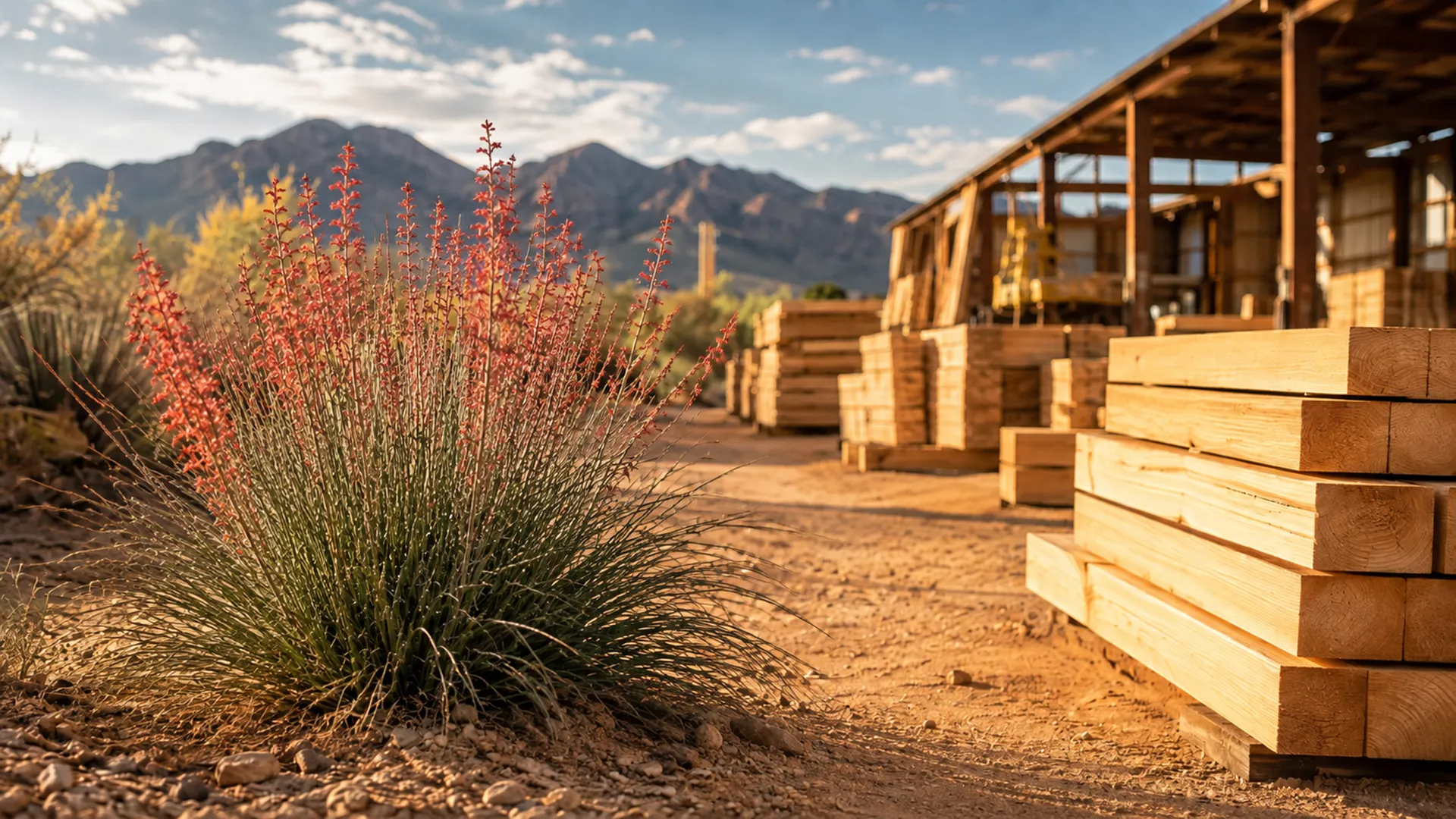
The giant paper company’s development of an alternative to wood for its products may mean lower prices for building materials.
You’ve probably never heard of hesperaloe but if Kimberly-Clark is successful in its new research, it could become a household word for the company’s vast line of paper products, including Scott towels and Cottonelle toilet paper.
There’s still a long way to go but if the company’s development work pans out Kimberly says it will use this plant as the base for fiber used in its products, thus replacing wood and potentially opening up more supplies for the construction and building trades.
“We call it our Goldilocks discovery,” Craig Slavtcheff, the company’s top research-and-development officer, told the Wall Street Journal in a recent interview. Hesperaloe is described as a “prickly desert plant” that needs less water to grow and produces long, slender fibers that combine softness and strength, which the company says could give consumers a sustainable choice without compromising on feel.
Kimberly is one of the world’s largest producers of paper-based products so if this comes to fruition, it could drastically reduce the number of trees it would use. In addition to the environmental benefit from this reduced demand, it would direct growers more to the building trade as the end user for their trees, potentially lowering prices.
The paper goods company has been working on finding wood alternatives for 20 years and has said so far it has invested about $250 million in its hesperaloe development, filing more than 30 patents so far.
“We’ve generated enough data thus far to feel encouraged, confident and excited about the potential that this is going to have for our portfolio,” Slavtcheff told the Journal, without giving any timetable for how long its research will take to bring hesperaloe-based products to the market.
However long it takes, it could be a win-win for both the paper goods and the building businesses.