Bricks may continue to be used as decorative elements but wood gained as the dominant construction material in home building.
A new National Association of Home Builders analysis of census data shows that brick or brick veneer covered only 16.8 percent of new single-family homes started in 2025. That’s down from almost a quarter as recently as 2012.
According to a report on the findings, “the change reflects a postwar housing boom, a shrinking skilled-labor pool, rising construction costs and a preference for homes that could be built quickly and cheaply. But some architects and builders say it also changed what Americans expect from the places they live, and what buyers paying record prices actually get for their money.”
The report noted that an issue in using brick is finding the people who actually know how to work with the material. “Today the hard part of building a true masonry house isn’t the brick. It’s finding people who can lay it,” said one builder.
Citing Levittown, the post-war suburban development that helped define the building boom of the period, Steven Menotti, CEO of construction safety company Menotti Enterprise, said in an interview, “They needed shelter urgently, and a carpentry team got the job done faster than a masonry team ever would have.”
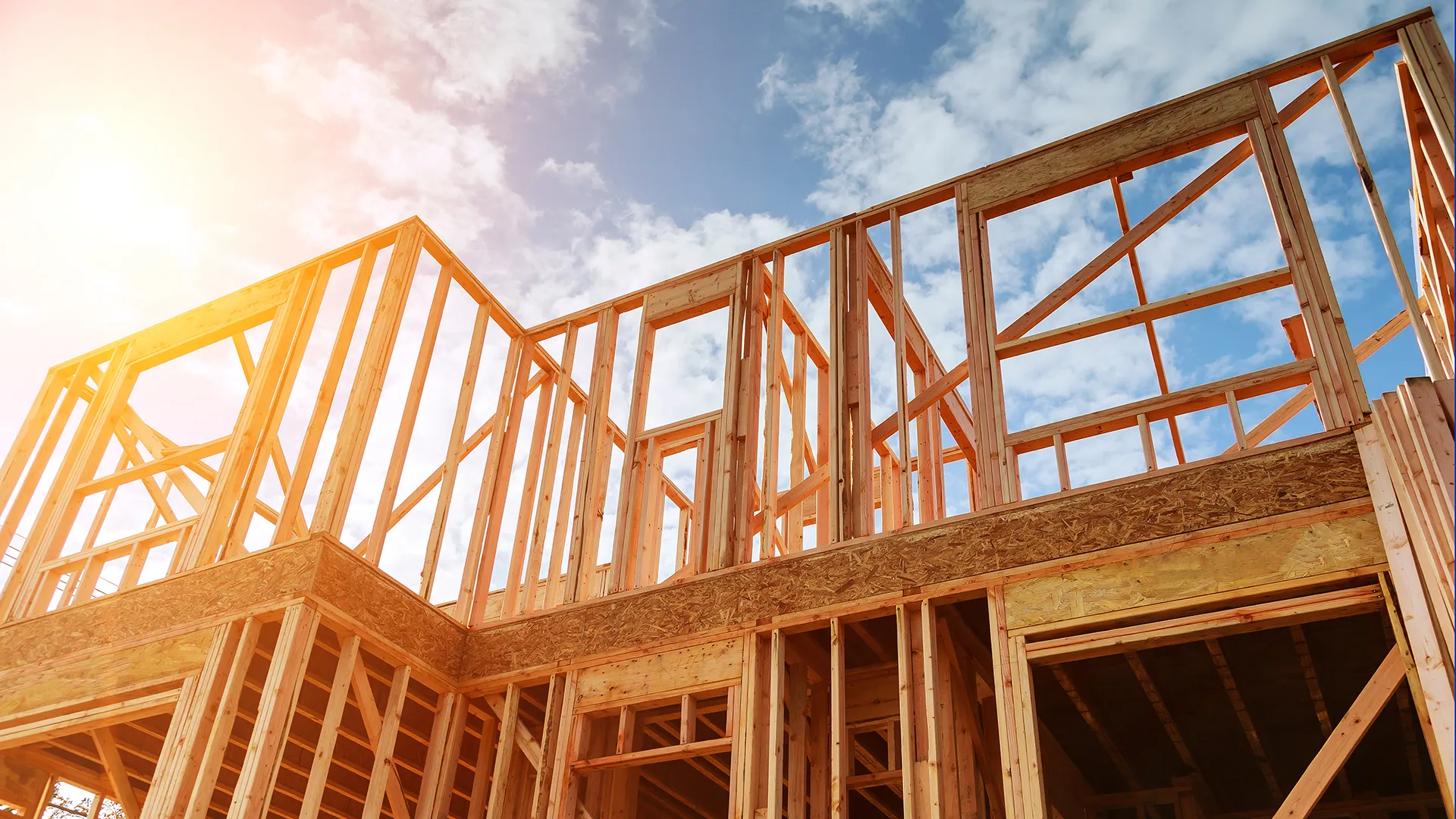
Brick construction requires skilled workers to lay individual bricks, one at a time. Wood framing can be assembled by crews with less specialized training, and it moves much faster, the report said.
Matt DiBara, CEO of DiBara Masonry, agreed and said it’s all about economics. “It came down to cost and speed. After World War II the country needed homes that were more affordable and could be built in large batches, and a framing crew can close in a house way quicker and cheaper than a masonry crew can lay up solid walls.”
The move to wood and away from brick construction has continued ever since.